filed homestead claims
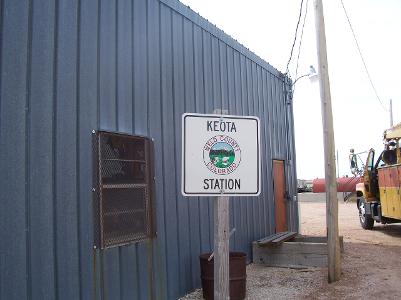
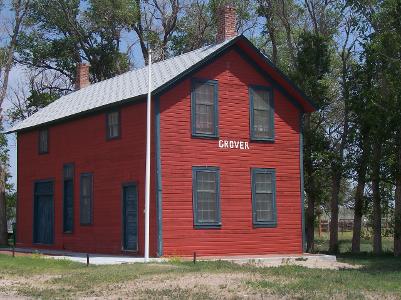
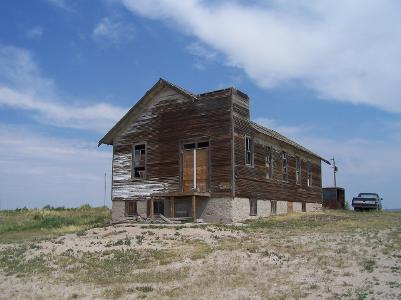
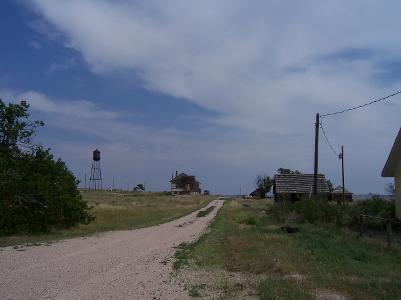
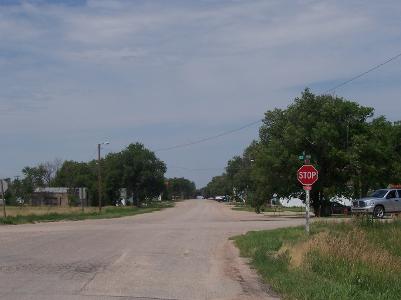
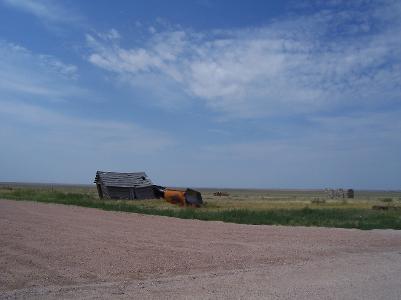
near the towns of Keota, Grover and Sligo
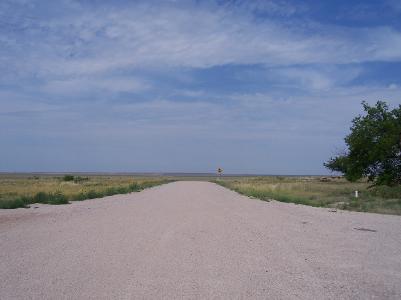
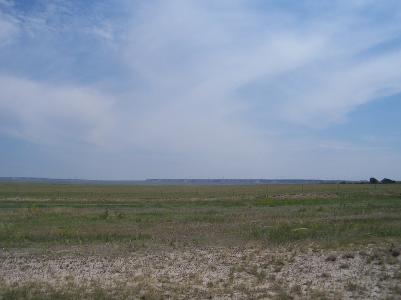
Pictures taken in 2007
George and Flora Hamilton
Larkin and Iola Hamilton Bailey
Edd, Pauline, Flora, Lydetta, Weldon, Ellis, James and Bert Bailey
Ernest and Georgia Hamilton Scott
Esther, George, Mabel and Hazel Scott
Fowler and Bea Hamilton
Helen Hamilton
Frank and Lillie Hamilton
Mildred Hamilton
Ed Hamilton
George and Flora lived in Eastern Colorado in 1910 with their family
Flora, Art, Athalia and Edith Hamilton lived there according to the 1910 Federal Census
They all lived on the homestead of George and Flora until Lark and Ernest could build homes on their homesteads
The Scott family left the dry land for Cheyenne. James Scott was born in October of 1915 in Cheyenne
Fowler and Bea Hamilton left the dry lands prior to their daughter Frances birth in September 1913
Frank and Lillie Hamilton are on the 1920 Census in Sligo, Colorado.
They left the dry land for a job on the Railroad in Cheyenne.
In 1927 Edd, Mabel and Hugh Bailey moved back to the Bailey homestead
A quote from Edd Bailey's Autobiography
In the spring of 1927 we (Edd and Mabel) loaded up our few belongings, packed up our tiny son (Hugh) and returned to the homestead. Farming has its advantages no other kind of work can come close to. For one thing you don't have to worry about being laid off every few months, and for another you are your own boss on a farm. I suppose if Mother Nature had treated us a bit different that year I might still be somewhere in eastern Colorado milking a cow.
I put in beans, rye barley and corn and did everything I knew how to make them the best crop that land ever produced. It was an excellent growing year. One of the best I'd seen. The spring was warm and wet, and the summer heat held off just enough to send the green shoots skyward so fast you would have sworn you could see them growing.
One Saturday I was working on the binder, getting ready to cut the rye. I had planned to set out first thing Monday and cut it. Sunday morning dawned clear and warm. The noonday sun was high and hot but by early afternoon those puff-ball like clouds had filled the sky and then I could see the black long cloud, just the shape of an anvil racing in from the west.
The hail started about 4 in the afternoon. Hailstorms never last long, but in a brief time they can throw down hail to cover the ground two inches deep. We watched from the doorway. When the hailstones the size of quail eggs started pounding the earth, I knew that was that for my crops. In the morning I rode out to the fields. We lost everything.
I was pretty discouraged and so were a lot of others who had been hailed out in the area. Folks just up and left their farms.
I looked the situation over and decided that at least I could use the ruined crops as pasture. I ran cattle at $.50 a head per month. Although the crops were a disaster, we made enough money off the cattle that I bought a used Ford which I paid $65 cash for. We left the farm in the fall of 1927, never to return.
We moved back to Cheyenne and I got a job with the Union Pacific Railroad in the machine shop.
Dad (Lark) managed to sell the farm a couple of years later.
Dry land Farming
The Kinkaid Act of 1904 is a U.S. statute that amended the 1862 Homestead Act so that one section (1 square mile or 640 acres) of public domain land could be acquired free of charge, apart from a modest filing fee. It applied specifically to 37 counties in northwest Nebraska, in the general area of the Nebraska Sandhills. The act was introduced by Moses Kinkaid, Nebraska's 6th congressional district representative, and was signed into law by President Theodore Roosevelt on April 28, 1904 and went into effect on June 28 of that year.
The legal provisions of the Kinkaid Act were very similar to those of the Homestead Act. A claimant had to be at least 21 years of age (or 18 if the head of a household), and a current U.S. citizen or in the process of becoming a citizen. Five years of residency was required to gain title to a claim, with exceptions made to account for years of military service. The residency requirement was shortened to three years in 1912. A claimant also had to prove that improvements equivalent to $1.25 per acre had been made to the property.
Only non-irrigable lands were eligible to be claimed under the provisions of the Kinkaid Act; those that were deemed to be practicably irrigable by the Secretary of the Interior were excluded. A 640-acre claim was required to be as compact as possible, and less than two miles in length.
By 1934, over 1.6 million homestead applications were processed and more than 270 million acres—10 percent of all U.S. lands—passed into the hands of individuals.
In an article by H. M. Cottrell for the Colorado Experiment Station he says….
“Dry land farming is a continual fight against relentless, unfavorable conditions. Success depends upon the man; his courage, his knowledge and judgment and his persistence. Physical strength and endurance of both men and women is a large factor in this struggle. With the best seeds and methods of tillage there will be some years of total failure and many others of short crops. “ When we visited the dry land area during the reunion, we found lots of activity going on over each hill. Our ancestors would be amazed at what is going on 100 years after they arrived in Weld County.
Here is an article about Weld County.
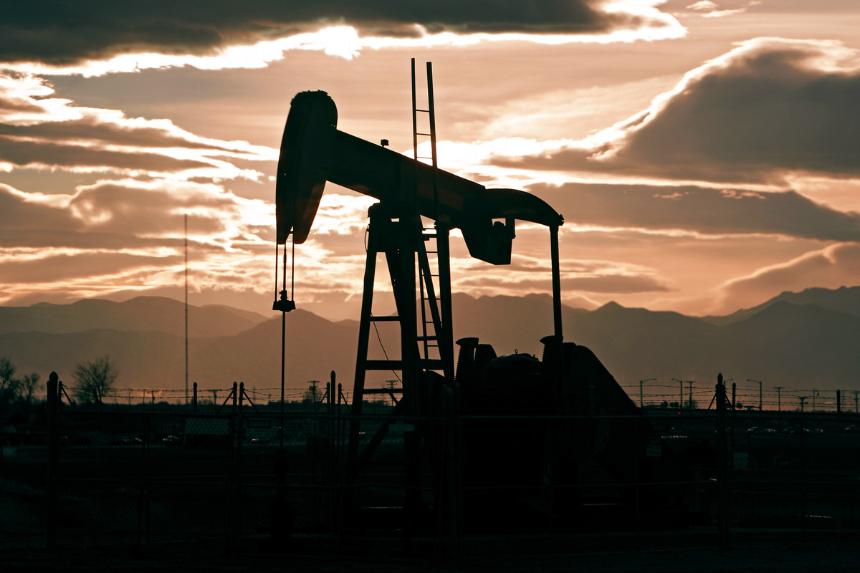
Weld County Oil Output Nearing 80 Percent, Making It Oil-Drilling
Center Of Colorado
Last year, Colorado hit a 50-year record in oil production of 49 million barrels. Weld County oil and gas producers pumped almost 75 percent of that amount, a figure that was more than double the 35 percent the county produced in 2000.
"Weld appears it will become the new dominant center of oil production in the state," said Pete Stark, an oil and gas analyst with IHS, a global market information and analytics company in Denver.